The Power to Get Wealth and the Temptation to Forget God
Biblical Wisdom from Deuteronomy 8 and the Parable of the Rich Fool in Luke 12
By Rev. Drew Gysi - Ministry Director - Life Institute / Co-Host - Stewardology Podcast
Wealth is a blessing from God, but it carries a real spiritual danger: the temptation to forget the One who gave it. This warning echoes through Scripture - from Moses’ words to Israel on the edge of the Promised Land to Jesus’ parable of the Rich Fool. Let’s unpack how these two passages speak powerfully to Christians today about stewardship, self-sufficiency, and storing up treasure that lasts.
The Warning in Deuteronomy 8
Moses delivered a sobering message to a people about to inherit abundance after years of wilderness wandering. God had provided manna, water from rocks, and clothes that didn’t wear out. Now He was bringing them into “a good land… in which you will lack nothing” (Deuteronomy 8:7-9, ESV).
Yet the greater danger wasn’t poverty - it was prosperity. Moses warned:
“Take care lest you forget the LORD your God by not keeping his commandments… lest, when you have eaten and are full and have built good houses and live in them, and when your herds and flocks multiply and your silver and gold is multiplied… then your heart be lifted up, and you forget the LORD your God… Beware lest you say in your heart, ‘My power and the might of my hand have gotten me this wealth.’” (Deuteronomy 8:11-14, 17, ESV)
The core command is clear: “You shall remember the LORD your God, for it is he who gives you power to get wealth” (v. 18). Prosperity can breed the lie of self-sufficiency. When we forget that every ability, opportunity, and harvest comes from God, we drift into pride, idolatry (often disguised today as consumerism, comfort, or status), and ultimately destruction.
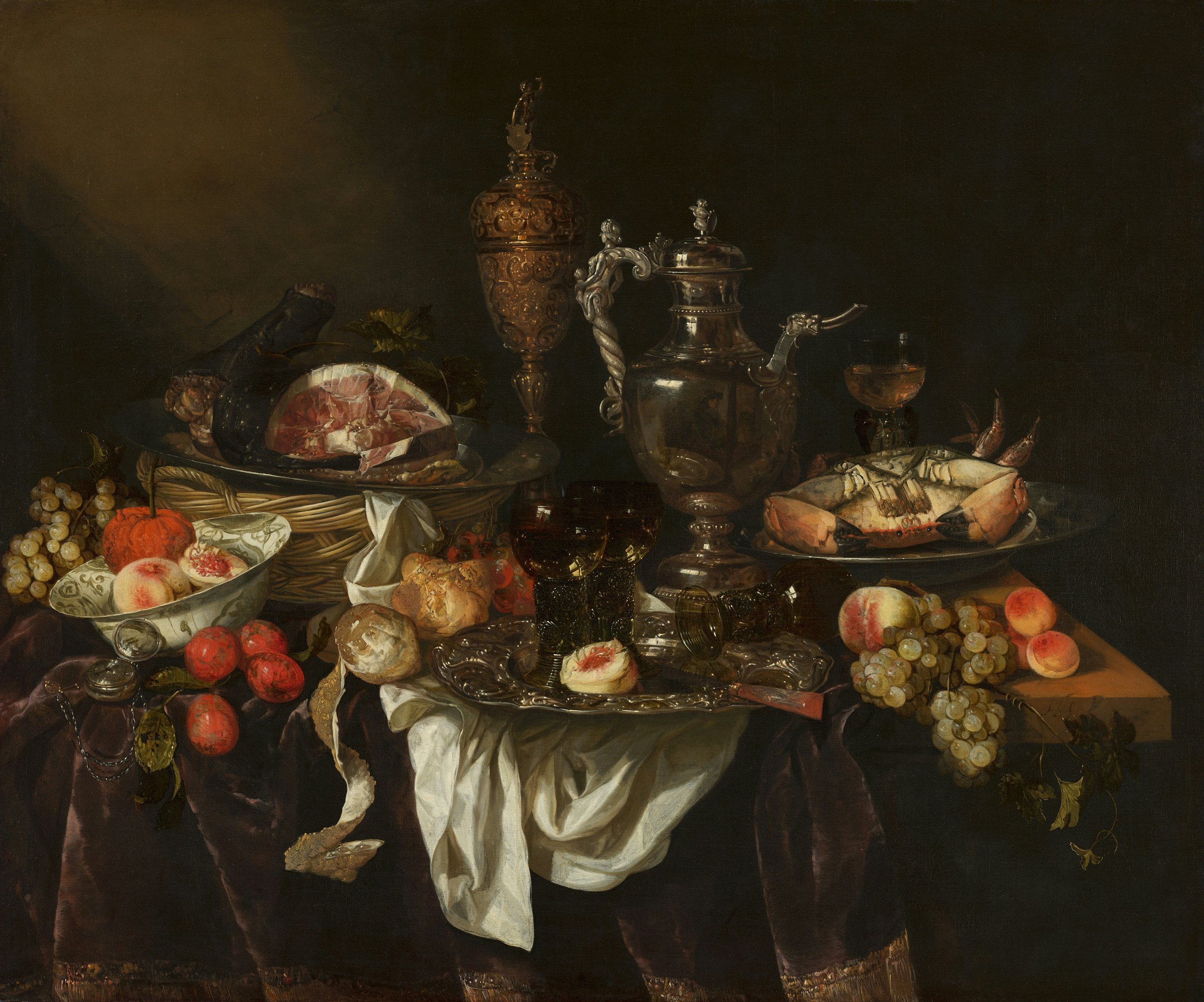
This isn’t a call to reject wealth or hard work. God designed the world so that diligence often leads to blessing. The issue is the heart…whether we credit ourselves or the Lord. Praying for wealth is permissible, but be careful of your motives and mindset. You need to pray according to the will of God, not the will of “you.” And be aware - you just might get it. That’s where the principles from Deuteronomy 8 and Luke 12 come into play: it’s about the responsibility and stewardship role we play.
Jesus’ Parable of the Rich Fool (Luke 12:13-21)
Centuries later, Jesus told a story that echoes Deuteronomy 8 almost verbatim. A man’s land produced a bumper crop. Instead of thanking God or considering others, he talked only to himself:
“What shall I do, for I have nowhere to store my crops?… I will tear down my barns and build larger ones, and there I will store all my grain and my goods. And I will say to my soul, ‘Soul, you have ample goods laid up for many years; relax, eat, drink, be merry.’” (Luke 12:17-19, ESV)
God’s response is devastating:
“Fool! This night your soul is required of you, and the things you have prepared, whose will they be?” (v. 20).
Jesus concludes:
“So is the one who lays up treasure for himself and is not rich toward God” (v. 21).
The rich fool wasn’t condemned for being wealthy or planning ahead. He was condemned for living as if God didn’t exist - for maximizing his own security while ignoring the Giver of every good gift and the needs of others. His story is a direct illustration of the warning Moses gave: abundance without God-centered stewardship leads to eternal loss.
Jesus immediately follows this parable with teaching on anxiety (Luke 12:22-34), urging His listeners not to be anxious about life, what they will eat, or what they will put on. He points to the ravens and lilies as examples of God’s provision and calls us to “seek his kingdom, and these things will be added to you” (v. 31). The same God who feeds the birds and clothes the grass can be trusted when we prioritize Him.
Key Takeaways for Biblical Stewards Today
1. Wealth is good, but it is never neutral.
God gives the “power to get wealth” (Deut. 8:18). Pursue godly habits of diligence and wisdom, but hold every blessing with open hands. The danger is not money itself but the heart that says, “My power and the might of my hand have gotten me this wealth.” Discipline and diligence often lead to blessing (it’s the way God made the world to work), but God is the ultimate source.
2. Remember the Lord in seasons of plenty.
It is often easier to cry out to God in need than to praise Him in abundance. Build rhythms of gratitude, generosity, and Scripture meditation so prosperity does not produce pride or financial idolatry (consumerism, comfort, status, resources).
3. Store up treasure in the right place.
The rich fool stored everything for himself on earth. Jesus calls us to be “rich toward God” - investing in eternal purposes through generosity, kingdom work, and obedience. “Where your treasure is, there will your heart be also” (Luke 12:34). When we see the dollars but don’t have Kingdom priorities in place, we end up with little-to-no Kingdom impact.
4. Stewardship is a calling and responsibility - not just a blessing.
“Everyone to whom much was given, of him much will be required” (Luke 12:48). Greater resources mean greater accountability to God and others. It’s not your responsibility to judge how the “rich” person spends their money - God is ultimately the judge. Focus on stewarding your own finances well and for God’s glory.
5. Fight anxiety with kingdom priorities.
When we truly believe God provides, we are freed from the frantic accumulation that marked the rich fool. Seek first His kingdom, and these things will be added to you.
A Sobering Yet Hopeful Call
Deuteronomy 8 and Luke 12 together deliver one unified message: Wealth isn’t the enemy. Forgetting God in the midst of it is.
The same God who tested Israel in the wilderness and warned the rich fool still speaks to us. He invites us to enjoy His gifts without letting them own us, to work diligently without claiming credit that belongs to Him, and to live with open hands and generous hearts.
Practical next step: Take time this week to prayerfully review your finances through the lens of these passages. Ask:
Am I crediting God for the abilities and opportunities He has given?
Am I storing up treasure primarily for myself or for His kingdom?
Where might anxiety, self-sufficiency, or subtle idolatry be creeping in?
If you’d like help thinking through these questions biblically and practically, take advantage of our free personal stewardship review at StewardologyPodcast.com/Review. You can also send your questions, comments, or thoughts at StewardologyPodcast.com/idea.
May we be found faithful stewards who remember the Lord, trust His provision, and live rich toward God, both now and for eternity.
The Stewardology Podcast is a ministry of Life Institute.
Life Institute exists to help believers become even better financial stewards which in turn, helps churches become fully funded for greater Gospel ministry. To learn more about Life Institute, go to www.LifeInstitute.org
Listen to the full Stewardology Podcast Episode 271 for more discussion and Scripture application. Subscribe wherever you listen and visit StewardologyPodcast.com for more resources on biblical stewardship.
Christian Stewardship Network
Keep growing in biblical stewardship.
Get practical resources, encouragement, and upcoming opportunities from CSN.