3 Church Leadership Conversations That Strengthen Giving
Church leaders talk about finances often. But many of those conversations begin and end with one question: “Are we on track to meet our giving goal?”
That question matters, but it is not enough.
A healthy stewardship strategy begins with leadership conversations that consider the experience of the people who give, the trust they place in the church, and the spiritual purpose behind generosity. When leaders look beyond a weekly total, they can build a giving culture marked by clarity, integrity, and meaningful discipleship.
Here are three important conversations every church leadership team should have about giving.
1. How Are We Building Trust Through Transparency and Accountability?
People want to know that the resources they give are being handled wisely. In a time when stories of financial misuse can quickly damage trust, churches should be proactive about transparency and accountability.
Transparency does not mean sharing every confidential detail with every person. It means helping your congregation understand how decisions are made, how resources are stewarded, and how giving supports the mission of the church.
Consider discussing questions like:
Is our budget and annual financial information accessible and understandable?
Do we clearly communicate how gifts support ministry, outreach, and care for people?
Do members have appropriate opportunities to ask questions and receive answers?
Are financial records reviewed through sound internal controls or independent oversight?
Do we have clear policies for handling concerns, preventing fraud, and protecting the people who serve with financial responsibilities?
Scripture calls believers to handle resources honorably, not only before the Lord but also before people (2 Corinthians 8:20–21). Clear processes and open communication help protect the church, build confidence, and show that financial stewardship is taken seriously.
2. What Do Our Giving Trends Tell Us About the Health of Our Church?
Meeting the annual budget is encouraging, but it does not always tell the full story.
A church can reach its giving goal while becoming increasingly dependent on a small number of households. It can see total giving remain steady while fewer people are participating. It can also overlook the generosity of people who attend online or engage with the church beyond a Sunday morning gathering.
Rather than focusing only on the total amount received, leadership teams should look for patterns that reveal the health of giving across the congregation.
A few metrics that better determine “health” include:
Percentage of households giving- Focus on household over individual metrics; it is a more reliable measure of giving trends.
Frequency of household giving- Categorized across irregular, regular, recurring, etc., frequency is a better measure of overall giving trends than giving amount.
Age of household members- If most of your consistent givers are older, plan ahead as they will eventually age out.
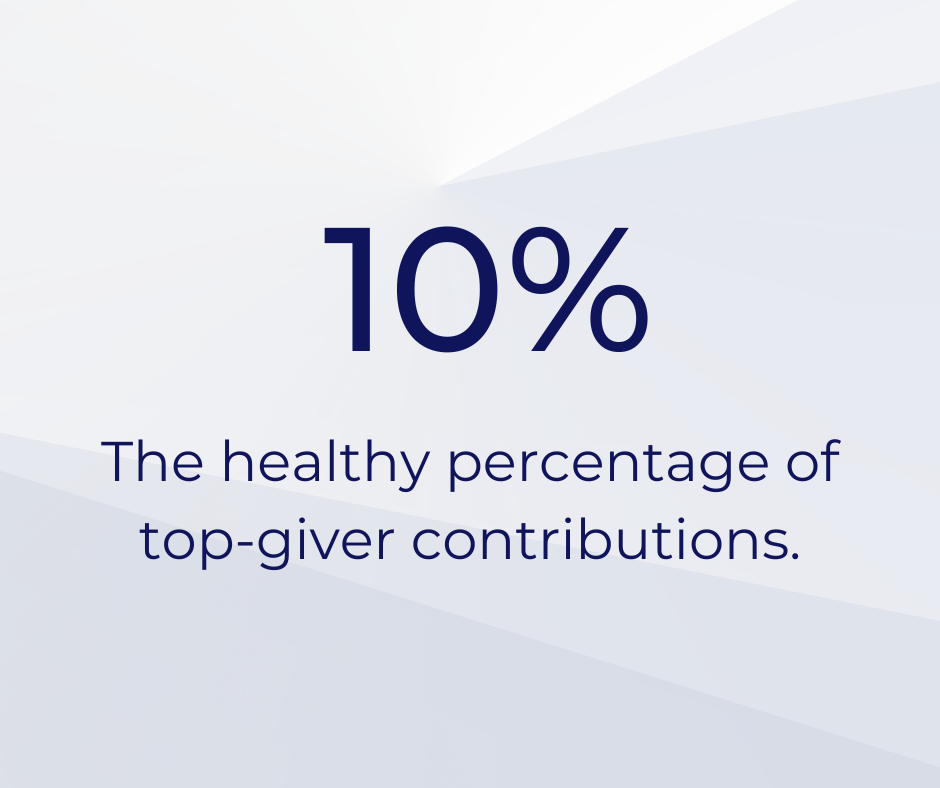
Percentage of top donors- 10% is a healthy percentage of top-giver contributions.
Helpful questions include:
What percentage of households give regularly?
Is participation growing, declining, or concentrated among a small group of donors?
Are first-time givers becoming consistent givers?
How often are people giving: occasionally, regularly, or through recurring gifts?
Are younger households and digital attendees represented in our giving patterns?
Are we overly dependent on a few large gifts to meet our budget?
These numbers are not simply fundraising metrics. They can help leaders identify opportunities for better communication, stronger discipleship, and more accessible next steps.
The goal is not to pressure people into giving. It is to understand where the church may need to encourage, equip, and care for people more faithfully.
3. Does Our Giving Technology Make Generosity Easier and More Meaningful?
Giving technology should do more than process a transaction. Online giving, mobile apps, and text-to-give options can make generosity more accessible, especially for people who do not carry cash or who primarily connect with your church digitally. But convenience alone is not the whole experience.
A giving platform can either feel like a payment screen or an opportunity to participate in God’s work through the church.
Ask your team:
Is it easy for someone to give online, on a phone, or through recurring giving?
Does our giving page clearly explain why generosity matters?
Do we show how gifts are making a difference in our church, community, and world?
Are new givers thanked promptly and personally?
Do regular givers receive encouragement that connects their generosity to ministry impact?
Is our giving process secure, accessible, and easy to understand?
Every gift is an opportunity to remind someone that their generosity is part of something bigger than a budget. When churches communicate impact clearly, they help people see giving as worship, discipleship, and participation in God’s mission.
Start the Conversation Before You Need a Campaign

The healthiest giving cultures are not built during a budget shortfall or capital campaign. They are built through ongoing leadership conversations about trust, participation, discipleship, and impact.
When your leadership team is committed to transparency, pays attention to the health of giving trends, and creates meaningful ways for people to participate, you create a stronger foundation for generosity in every season.
Giving is not simply about reaching a financial goal. It is about helping people grow in faith and inviting them to join the work God is doing through the local church.
Related Resources
For more help, explore:
Christian Stewardship Network
Keep growing in biblical stewardship.
Get practical resources, encouragement, and upcoming opportunities from CSN.